
Disclaimer: The information shared here is based on professional experience and is intended for general guidance. It is not specific marketing advice. Each business requires its own strategy.
How Long Does It Take To Get Leads From Digital Marketing
What speeds up digital marketing results and what gets in the way
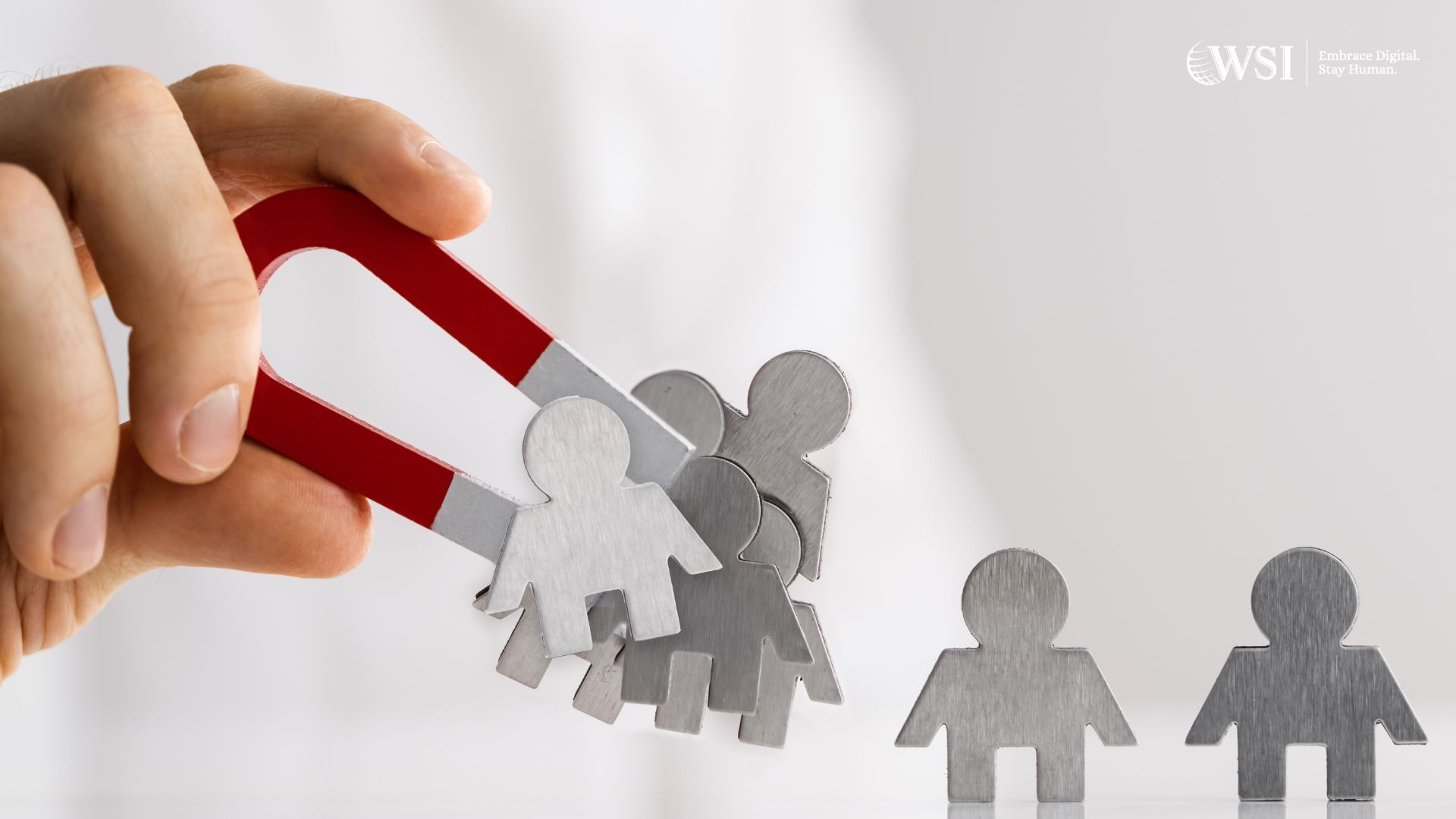
Most business owners ask the same question the moment they start marketing.
How long will it take before the leads start coming in?
It comes down to two things: the channel you choose and how ready your buyers are to make a decision. When you understand buyer intent, you understand why some tactics move fast and others take time.
This article explains what drives quick momentum, what takes longer, and what you can realistically expect at each stage.
What determines how soon you will start seeing leads?
Buyer readiness
A high-intent buyer already knows what they need. They’re looking for a direct answer and a partner who can solve the problem now.
For example, an accounting firm searching for “website redesign for small CPA firms” is already comparing options. They will move quickly when your offer matches what they’re looking for.
A low-intent buyer is still trying to understand the issue. They want higher-level information first. A senior living operator searching “why families stop responding to tours” is diagnosing the problem before they reach out. Both are valuable. They are just at different points in the process.
The channel you use
Each channel reaches buyers at a different stage. If your goal is to generate leads quickly and you need people who are ready now, paid search is the fastest path. You’re meeting buyers who have already taken steps to qualify themselves and are using transactional keywords that signal clear intent.
If you have a longer sales cycle or your audience needs more trust, SEO and content do the heavy lifting. Helpful explanations, guides, and straightforward educational content help buyers get started and move down the sales funnel. This is where long-form content, case studies, and white papers can begin to bring awareness to your brand and build trust.
Your consistency
Consistency matters. Staying visible builds trust with both buyers and search engines. Many businesses get discouraged when marketing results are slow and often stop-and-start campaigns. This resets momentum and slows algorithms that are designed to reward trustworthy signals. When you stay consistent from the beginning, the timeline becomes more predictable, and your results strengthen over time.
If You Have Aggressive Growth Goals, Paid Ads Work Faster
Paid ads reach people who are already looking for a solution. They are in market and ready to buy. You can see this in the way they search. When someone types a clear problem and a clear service, they are past the “research” phase and moving toward a decision. To reach these buyers, you usually have to pay to play, which is why paid ads deliver faster results.
Google Ads
Buyers on Google are ready or close to it. This is where searches become more transactional and more specific. When your campaign is set up well and your offer is aligned, you can see early traction within one to two weeks. That may show up as more qualified traffic while you tighten the path to conversion. The thirty to ninety-day window is when patterns become predictable, and the algorithm starts recognizing who your best buyers actually are.
Paid Social
Platforms like Instagram and Facebook reach people through interruption, not search. Think about why people are there. Instagram users want entertainment. Facebook users want to catch up with friends and family. When you show an ad, you interrupt that moment, which is why it is considered push marketing. It still works, but these leads usually need more nurturing because they didn’t wake up looking for you.
Most campaigns see movement in one to three weeks and get stronger as the system learns who responds to your message.
Channel alignment matters
Paid ads only work well when they match your goal and your buyer. When you have aggressive goals, you need channels designed for speed. When you spend money with a clear plan and strong alignment, you get faster traction and a more predictable return.
When You Have a Longer Sales Cycle, SEO and AI Search build momentum
Some buyers don’t move fast. They take time to understand the problem and time to trust the person who will solve it. If your work involves thoughtful decisions — whether you’re an accounting firm choosing higher value clients, a law practice competing in a crowded market, or a senior living community guiding families — you need a channel built for this kind of buyer. That is where SEO and AI Search align well with your strategy.
SEO Takes Longer Because Trust Takes Time
SEO works, but it is not immediate. Search engines need repeated signals that you know your subject. Readers need to see your content more than once before they act. When you stay consistent, the momentum follows.
Most businesses see early movement within 60 to 90 days. That might look like stronger visibility for “accounting firm website best practices,” “estate planning questions to ask,” or “how families compare senior living options.” Real conversions typically occur between six and twelve months, as buyers are still learning before they choose a partner. Understanding why SEO still matters for service businesses helps frame realistic timelines for when organic visibility contributes to growth.
Once you gain traction, SEO becomes one of your strongest and most profitable lead sources. It compounds and keeps working long after you publish. Strong SEO is more than publishing content. It is the structure of your pages, the clarity of your message, and the steady signals you send over time. Industry standards like those outlined in the WSI Biggs Digital SEO framework show how search engines evaluate trust, relevance, and usefulness before surfacing your content. When those pieces work together, your visibility grows, and your long-term results improve.
We recently worked with an accountant who wanted to focus on a very niche segment. After identifying the right area to target and creating content structured around how those buyers search, his main keyword moved from position seventy-seven to the first page of Google within thirty days. That kind of visibility compounds over time and becomes one of the strongest sources of organic traffic.
AI Search Adds a New Layer to Long-Term Visibility
AI Search is new, but we are already seeing signs that it rewards the same kind of helpful content that performs well in traditional SEO. If you can answer the fundamental questions your customers are asking, your brand has a strong chance of showing up in generative AI results.
Gartner recently predicted that traditional search engine volume will drop by 25 percent by 2026, as more people turn to AI chatbots and virtual agents rather than typing their questions into a browser. Gartner predicts search engine volume will drop. This shift means businesses cannot rely on classic SEO alone. Helpful content that answers fundamental questions is now required for both traditional search and generative AI search. When your content is well-structured and written with intent, your brand is more likely to be pulled into AI-driven results.
The data still needs to be structured and clear. Whether you are explaining tax changes for small firms or helping attorneys understand how to build online credibility, straightforward answers rise to the top. AI tools pull from content that shows depth, relevance, and usefulness, which gives you an opportunity to stand out if your message is strong.
We are still watching to see how long it takes to appear consistently in these AI-driven results, but we are seeing well-written content surface within a few months. It may move faster than traditional SEO, but it is still slower than paid search. Either way, this is a channel worth building now, especially if you want long-term visibility and a competitive advantage.
If you do not have the time to rewrite or restructure older content, consider working with someone who understands how to optimize for search everywhere so your brand shows up across all search results, not just one.
Email and Organic Social Build Trust and Keep You Top of Mind
Many business owners get frustrated with channels that do not produce instant leads. But email and organic social were never designed to work that way. Their job is to build trust and familiarity so that when buyers are ready, you are the one they think of.
Organic social
This is where people often get confused. Clients will tell me “social media doesn’t work” because they are expecting direct leads. But the algorithms are not built for that. Organic social is a brand awareness tool. It helps people get to know you like you and trust you.
Your posts should be intentional. They should point people to your website, show your point of view, and make it easy for someone to understand what you solve. Even if an organic post never produces a direct lead, it shortens your sales cycle because people feel familiar with your brand when they finally reach out.
Email marketing
Your email list should be full of people who, on some level, have already agreed to hear from you. This makes it one of the strongest nurturing channels you have. When someone interacts with you once, and you never follow up, you lose momentum. Email keeps you in the conversation.
Consistent emails meet buyers at different stages of the cycle and add value along the way. That steady presence keeps you top of mind and gives you a better chance of converting when the timing is right. Both channels support your deeper digital marketing efforts. They warm your audience, strengthen your brand, and make every other channel work better, especially your other lead generation channels.
HubSpot’s buyer journey lesson reinforces this idea by showing how people move through decisions in stages and how content needs to support each step for nurturing to work
| Channel | Early Activity | Building Phase | Conversion Phase | Strength of Channel |
|---|---|---|---|---|
| Paid Ads | 1–2 weeks | 30–90 days | Immediate once aligned | Fastest path to high-intent buyers |
| SEO | 60–90 days | 3–6 months | 6–12 months | Builds authority and trust over time |
| AEO / AI Search | First few months | Builds with structured content | Depends on clarity and depth | Faster than SEO in some cases but slower than paid |
| Depends on list health | Builds with consistency | Strengthens conversion rates | Best for nurturing and staying top of mind | |
| Organic Social | 30–90 days | Brand familiarity | Indirect conversions | Supports other channels and shortens sales cycle |
What to Do Before You Spend Another Marketing Dollar
Once you understand how buyers move and how each channel supports them, your decisions get clearer. Paid ads are faster and give you early traction while SEO and AEO build the trust buyers need when the decision takes more time. Nurturing channels like email and organic social keep you top of mind so your other efforts convert more efficiently.
The best next step depends on your goals and the buyers you want to attract. If you have aggressive growth goals, you need at least one channel that reaches buyers who are ready right now. If your sales cycle is longe,r you need channels that build trust over time. Most service businesses see the best results when they use both.
Final Thought
There is no single timeline that fits every business. High-intent buyers move quickly. Buyers who need trust take longer. When your channels match where your buyers actually are, your marketing becomes far more predictable and far more profitable.
KELLY BIGGS
About the Author
Kelly is a Marketing Executive and Principal Consultant at WSI. Kelly has over 20 years of sale and marketing experience. She works with client to employ powerful digital marketing strategies and often writes about SEO, website optimization, and social media.
The Best Digital Marketing Insight and Advice
Subscribe Blog
For information on our privacy practices and commitment to protecting your privacy, check out our Privacy Policy and Cookie Policy.
Don't stop the learning now!